


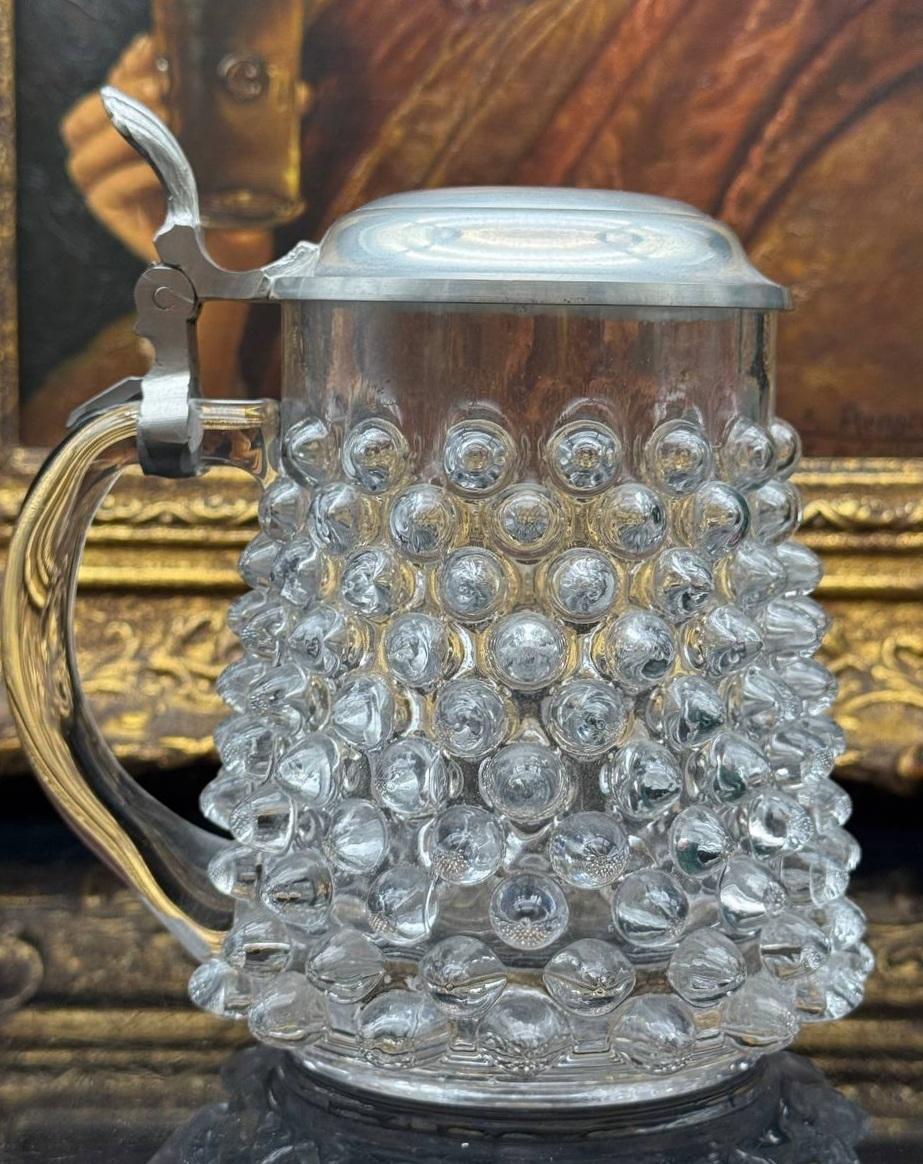
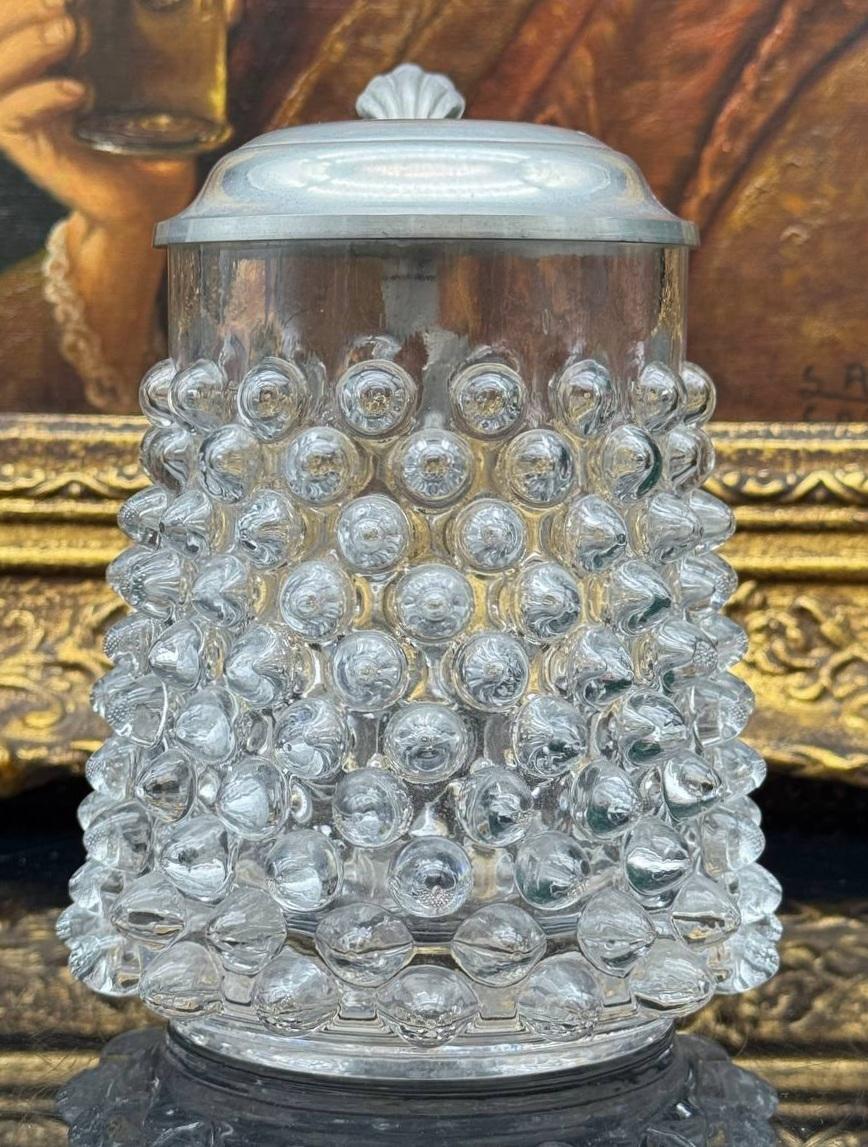
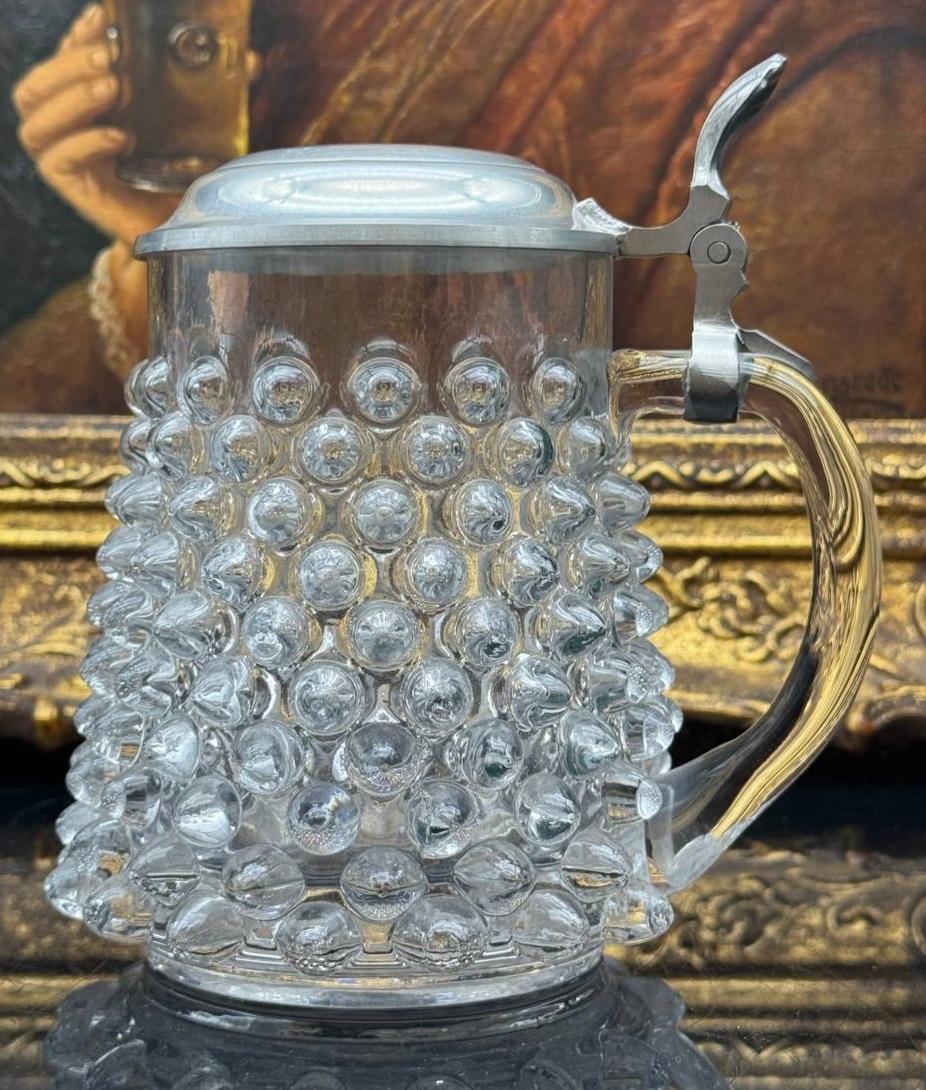
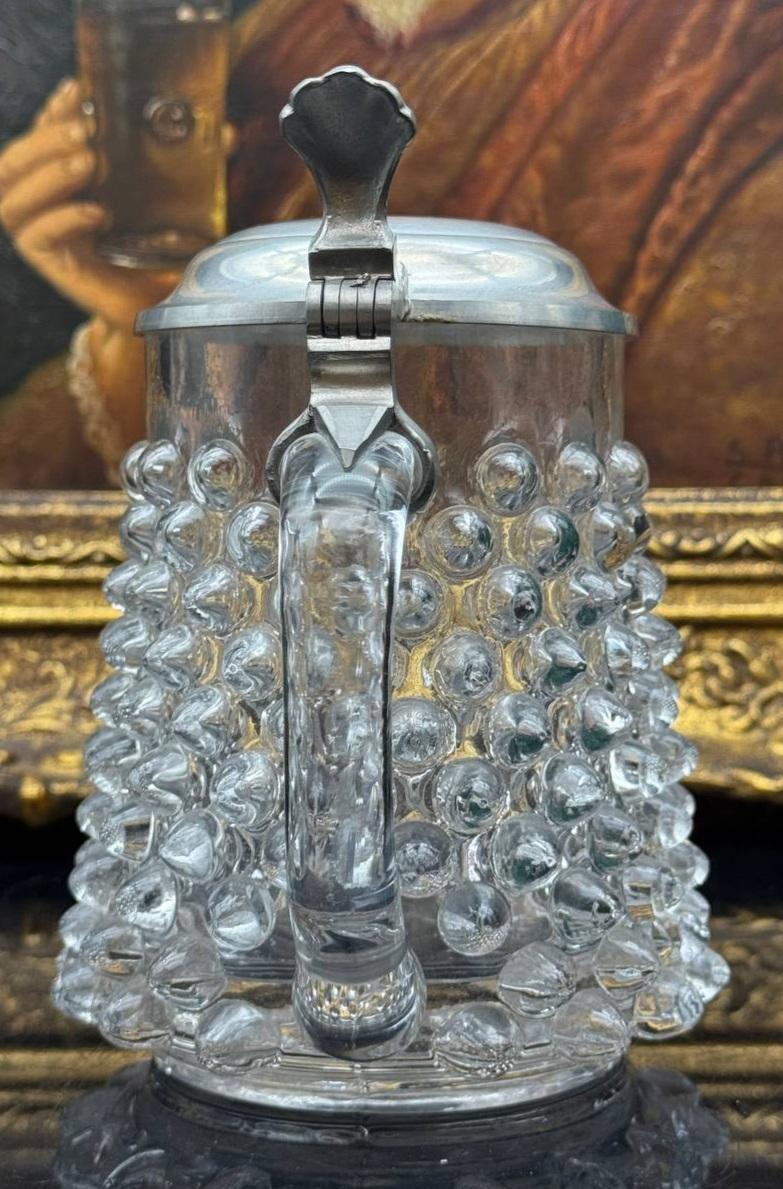
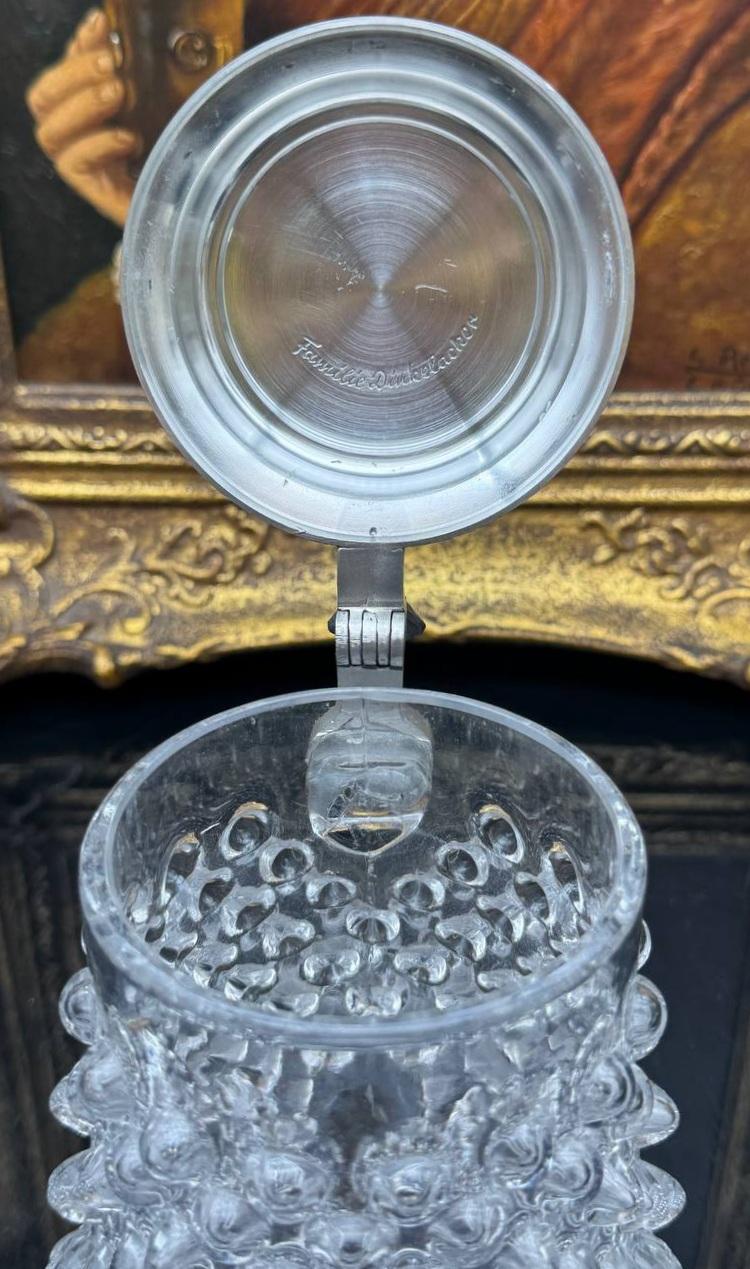
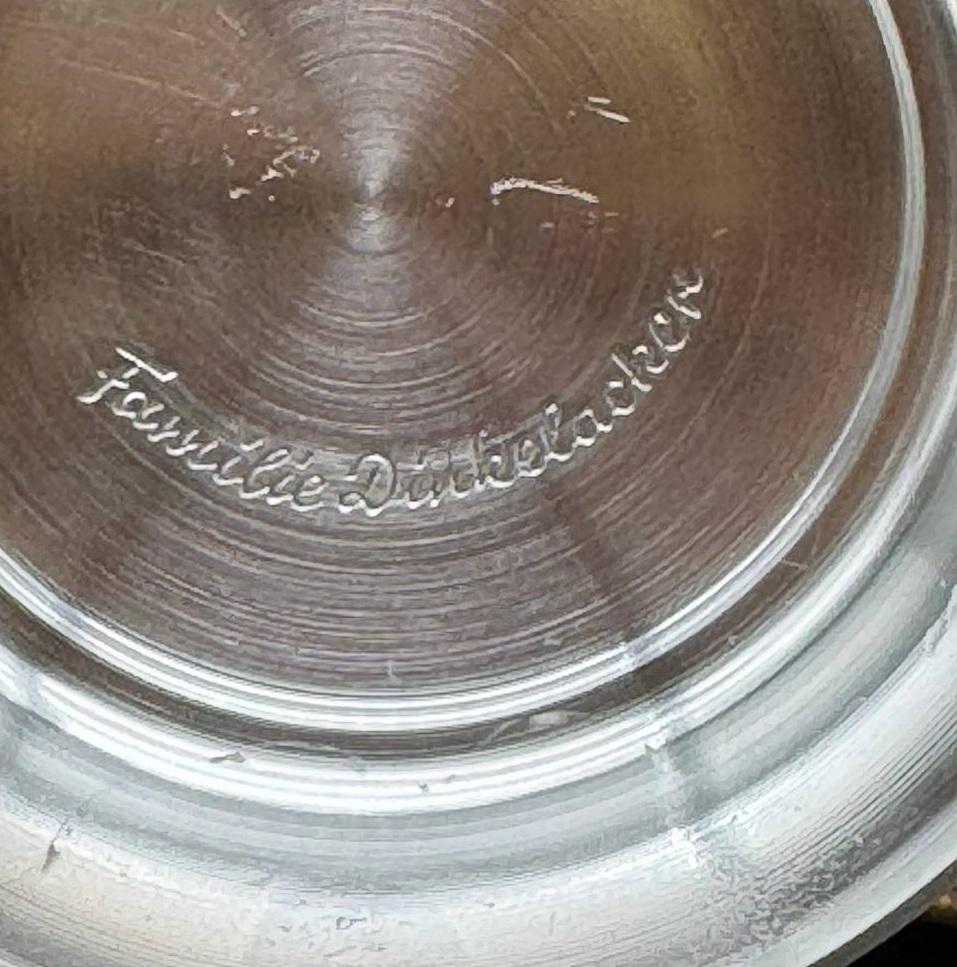
There is an inscription "Familie Dinkelacker" on the inner surface of the tin lid. Translated from German, it means: "The Dinkelacker family." The mug with this inscription speaks of involvement in the famous family brewery Familienbrauerei Dinkelacker, which was founded by Karl Dinkelacker in 1888 in Stuttgart, Germany.
The history of the brewery from its inception to the present day. 1888 - Karl Dinkelacker builds a brewery, malt house, brewhouse and engine room on Tübinger Straße in Stuttgart. In the same year, the first Dinkelacker beer was bottled.
In the second half of the 20th century, the brewery actively developed and absorbed other well-known brands in the region. In 1971, the Wulle brand became part of it, and in 1977 the famous Sanwald brewery, which produced excellent wheat beer, was bought.
In 1996, Dinkelacker merged with its main local competitor, the Schwaben Bräu brewery, to form the Dinkelacker-Schwaben Bräu company. In 2004, this union was bought out by the global beer giant InBev.
The Dinkelacker family did not accept the loss of control over the ancestral heritage. In 2007, the founder's great-grandson bought the company back from InBev Corporation, returning the brewery to the status of an independent family business, which it retains to this day.
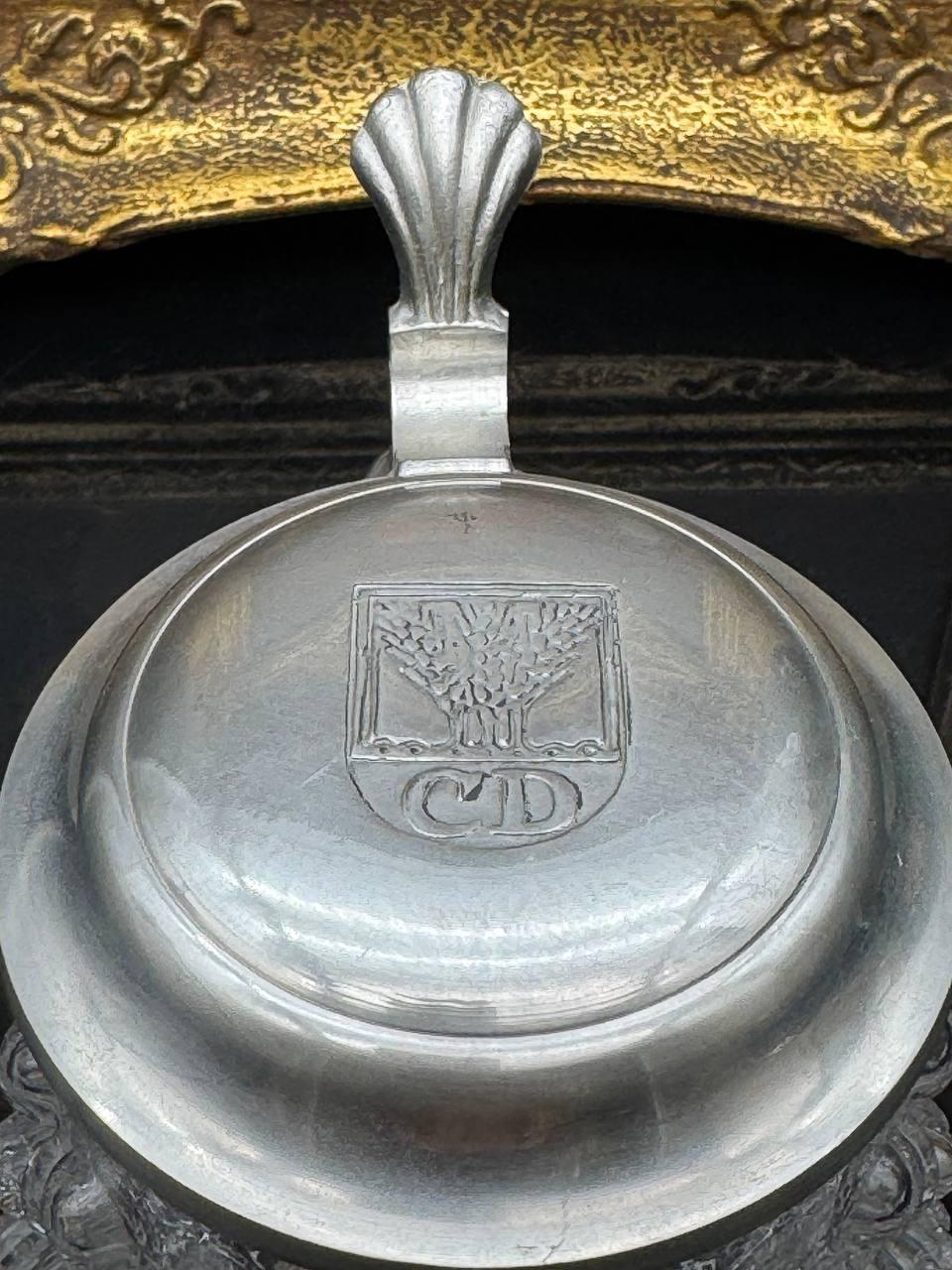
One of the popular beers of this family brewery is Dinkelacker CD Pils. This is a classic German pilsner with a noble hop bitterness. The abbreviation "CD" is a tribute to the founder (Carl Dinkelacker). We can see this abbreviation on the outside of the tin lid.
Every year, the company actively participates in the Cannstatter Volksfest (Stuttgart Beer Festival), which is the second largest folk festival in the world after the Munich Oktoberfest, and exhibits its signature huge beer tents there.
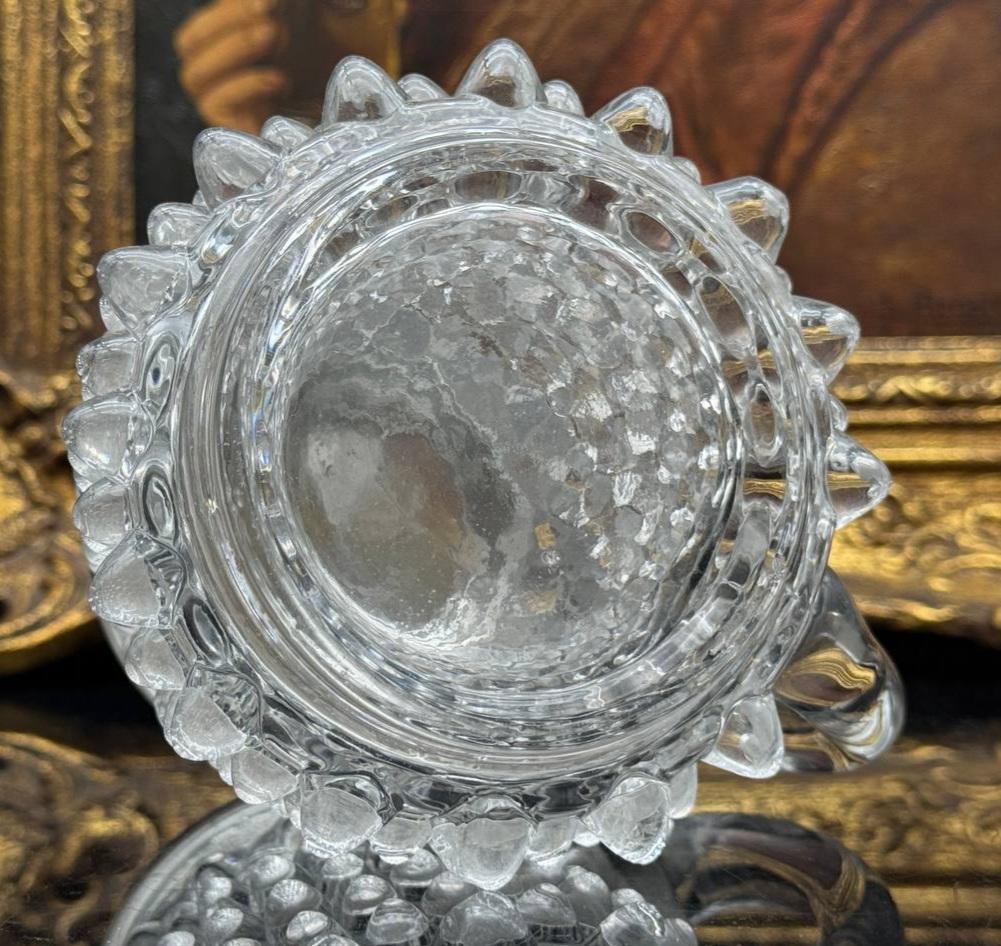
Vintage German beer mug made of thick pressed glass with a distinctive bubble pattern. Transparent pressed glass with a volumetric dotted relief that protects the mug from slipping out of your hands and helps keep the drink cold for longer.
The early origins of this style can be seen at the turn of the XV–XVI centuries. The first glass vessels with pimples appeared in Central Europe (Germany and Bohemia). Then they were called Noppenglas or Warzenbecher ("warty cups"). It is believed that initially these bumps were applied manually and had a practical purpose — so that hands that were greasy from eating would not slide on the glass during feasts. In the 19th century, with the development of pressed glass technology, the pattern became incredibly popular in the UK and the USA. The glass mass was pressed into metal molds with recesses, which made it possible to create an ideal geometry. It was then that the English name of the Hobnail style was fixed.
In the 1940s and 1950s, the American company Fenton Art Glass made this style iconic by producing colorful decorative tableware (vases, jugs, vials). At the same time, in West Germany (FRG), manufactories (for example, BMF) adapted this pattern to heavy and durable beer mugs, which became classics of European pubs.
Mugs of this style have functional and aesthetic features. Each glass "bump" works like a small lens. When beer is poured into a mug, light is refracted through hundreds of pimples, making the drink sparkle beautifully, and the amber color and gas bubbles appear more voluminous.The thick walls and embossed texture reduce the direct contact area of the warm palm with the glass. This keeps the drink inside the mug cold longer. Pressed glass with this pattern has increased wear resistance. The mugs turned out to be heavy, massive, and easily withstood careless handling and frequent toasts.
Zeig alles von Paulo Vik Falcon

Kommentare (0)
Einloggen um ein Kommentar ein zu geben.